
The lawmakers said they’re “deeply concerned” by some of the Trump agenda bill’s provisions and called for changes to mitigate “significant disruption” to certain projects.


Arizona opinion: Clean energy investments fuel state’s growth
The economic news coming out of Washington these days is enough to confuse the savviest of business owners. But let’s be clear: The dual prospect of cuts to federal clean energy investments and the imposition of tariffs could threaten the gains we’ve seen across Arizona’s clean energy sector in recent years.

Kore Power battery factory in Arizona among $14 billion of canceled clean energy projects
More than $14 billion in clean energy investments in the U.S. have been canceled or delayed this year, according to an analysis released Thursday, as President Donald Trump’s pending megabill has raised fears over the future of domestic battery, electric vehicle and solar and wind energy development.

Arizona leaders launch program to help lower utility bills
Several groups on Thursday announced the launch of Arizona’s Home Electrification and Appliance Rebates Program.
The program, led by the Governor’s Arizona Office of Resiliency, offers financial support to help families lower their utility bills, upgrade their homes, and stay safe during the extreme heat.

The Trump Administration Has Attempted to Cancel $23.3 Billion in Clean Energy Grants
Since January 2025, federal grant and loan freezes, cancellations, and threats have stoked confusion and uncertainty amongst grantees. There has been a flurry of court cases and executive orders in response to these actions. In April, the Trump Administration was ordered by a federal judge to release funds. In this data story, we will review the ways the Trump Administration has impacted federal funding for climate and clean energy.

GOP bill would gut clean energy manufacturing in Arizona, analysts and advocates say
House Republicans passed their “One, Big, Beautiful Bill” through the reconciliation process on May 22, sending it to the U.S. Senate and one step closer to being signed into law by President Donald Trump.
Ways and Means Chairman Rep. Jason Smith, R-Missouri, issued a statement claiming the bill “locks in the successful 2017 Trump tax cuts” and, if passed, would result in “made-in-America incentives” and secure more than 7 million jobs over the next four years, with wage increases of more than $11,000.

Federal Tax Credits for New Plug-in Electric and Fuel Cell Electric Vehicles Purchased in 2023 or After
All-electric, plug-in hybrid, and fuel cell electric vehicles purchased new in 2023 or after may be eligible for a federal income tax credit of up to $7,500.
The availability of the credit will depend on several factors, including the vehicle’s MSRP, its final assembly location, battery component and/or critical minerals sourcing, and your modified adjusted gross income (AGI).
Trump & Congress need to support Inflation Reduction Act, keep promise of lowering cost of living
I was one of the first Tucsonans to take advantage of this Federal Clean Energy Program provision. Now, I might be one of the last.
On January 11, 2024, I received a call that my house had flooded. I was in Phoenix for work, which meant having left my 1950s Tucson home empty during a few nights of all-too-rare Tucson freeze warnings. I was a new homeowner and a little nervous. I was right to be – my pipes burst and flooded my entire home over a three-day period.
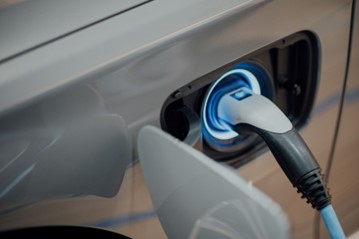
States, Environmentalists Sue Trump Over Billions in Funding Freezes for EV Charging
Congress appropriated funds in the 2021 infrastructure bill for a national network of electric vehicle charging stations. The administration, which opposes EVs in favor of gasoline-power vehicles, has frozen the money.

The Devastating Harms of House Republicans’ Big, ‘Beautiful’ Bill by State and Congressional District
Last week, House Republicans released long-awaited tax and budget proposals that would provide the top 5 percent of taxpayers with about $1.5 trillion in tax breaks. This windfall for the ultrawealthy would be paid for by gutting programs that create American jobs and help Americans afford the cost of basic needs, such as health care and groceries.