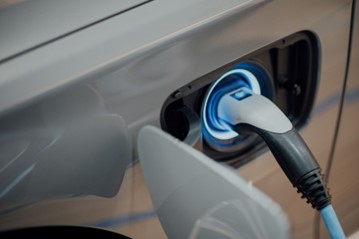
Congress appropriated funds in the 2021 infrastructure bill for a national network of electric vehicle charging stations. The administration, which opposes EVs in favor of gasoline-power vehicles, has frozen the money.


The Devastating Harms of House Republicans’ Big, ‘Beautiful’ Bill by State and Congressional District
Last week, House Republicans released long-awaited tax and budget proposals that would provide the top 5 percent of taxpayers with about $1.5 trillion in tax breaks. This windfall for the ultrawealthy would be paid for by gutting programs that create American jobs and help Americans afford the cost of basic needs, such as health care and groceries.
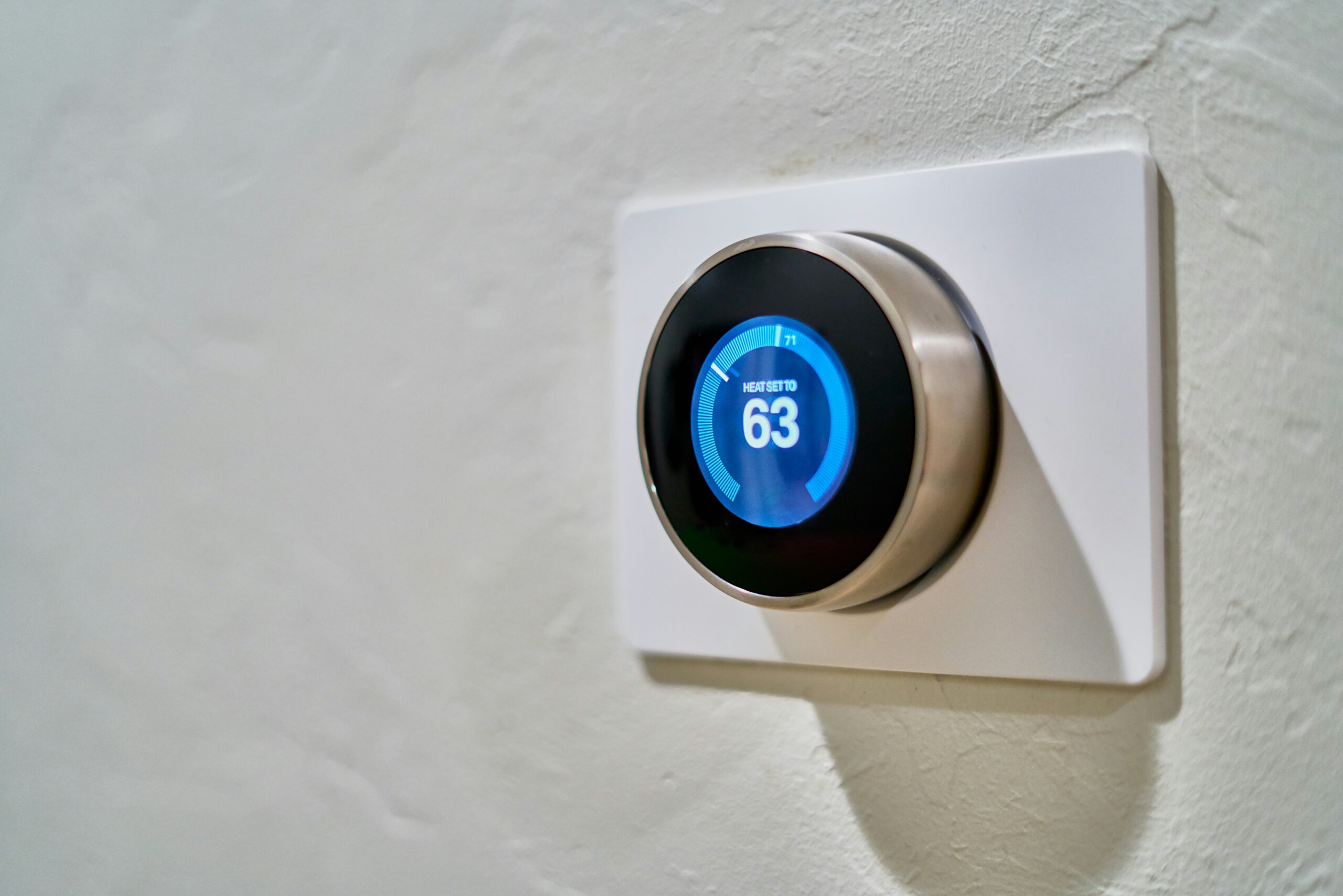
Energy emergency? Trump cuts to efficiency, aid programs in AZ could create one
President Donald Trump’s “national energy emergency” took on new meaning in May — and new victims — according to watchdog and community action organizations who say his policies and changes to the budget threaten both the wallets and lives of Arizonans headed into another scorching summer.
Arizona is on the cusp of a clean energy boom – Congress must defend our future
Arizona is on its way to clean energy dominance, with 24 major new projects and more than $11.8 billion in private investments, thanks, in part, to federal clean energy tax incentives that are now under threat. This means good paying jobs, cleaner air, and thriving communities, especially in rural parts of Arizona that are often overlooked. And it means that Arizona is leading the way as the US seeks to hold its position as a global energy leader.
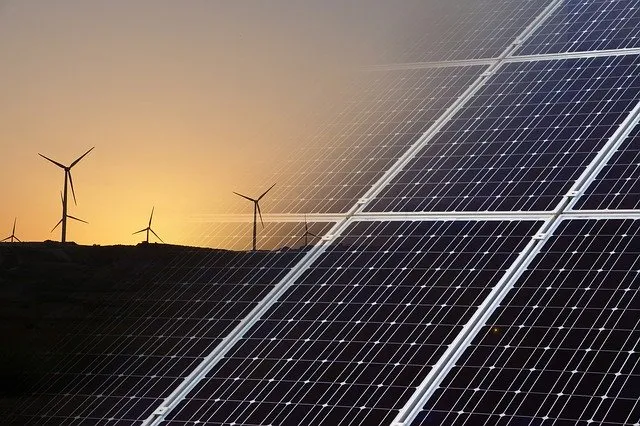
10,365 AZ clean energy jobs at risk
In just 100 days in office, President Trump’s tariffs, executive orders and all-out assault on clean energy have put Arizona’s clean energy boom at risk.
New data recently released from Climate Power shows that 95 clean energy projects have been threatened, delayed or canceled nationally since Trump took office, representing $71.24 billion in investment and 62,554 jobs.

At-risk IRA tax credits drive industrial-scale infrastructure in red and blue states
The Inflation Reduction Act is a bipartisan success story, but if these tax credits disappear, so will plans for future factories, jobs and the chance to reclaim our industrial leadership.

Opinion: A mother’s plea for clean air
As a single parent of an elementary child in Tucson, I do everything I can to keep him safe and healthy. I make sure he has nutritious lunches packed for school, is well rested, and gets regular checkups.
But there’s still something beyond my control that affects his well-being every single day: the air he breathes.
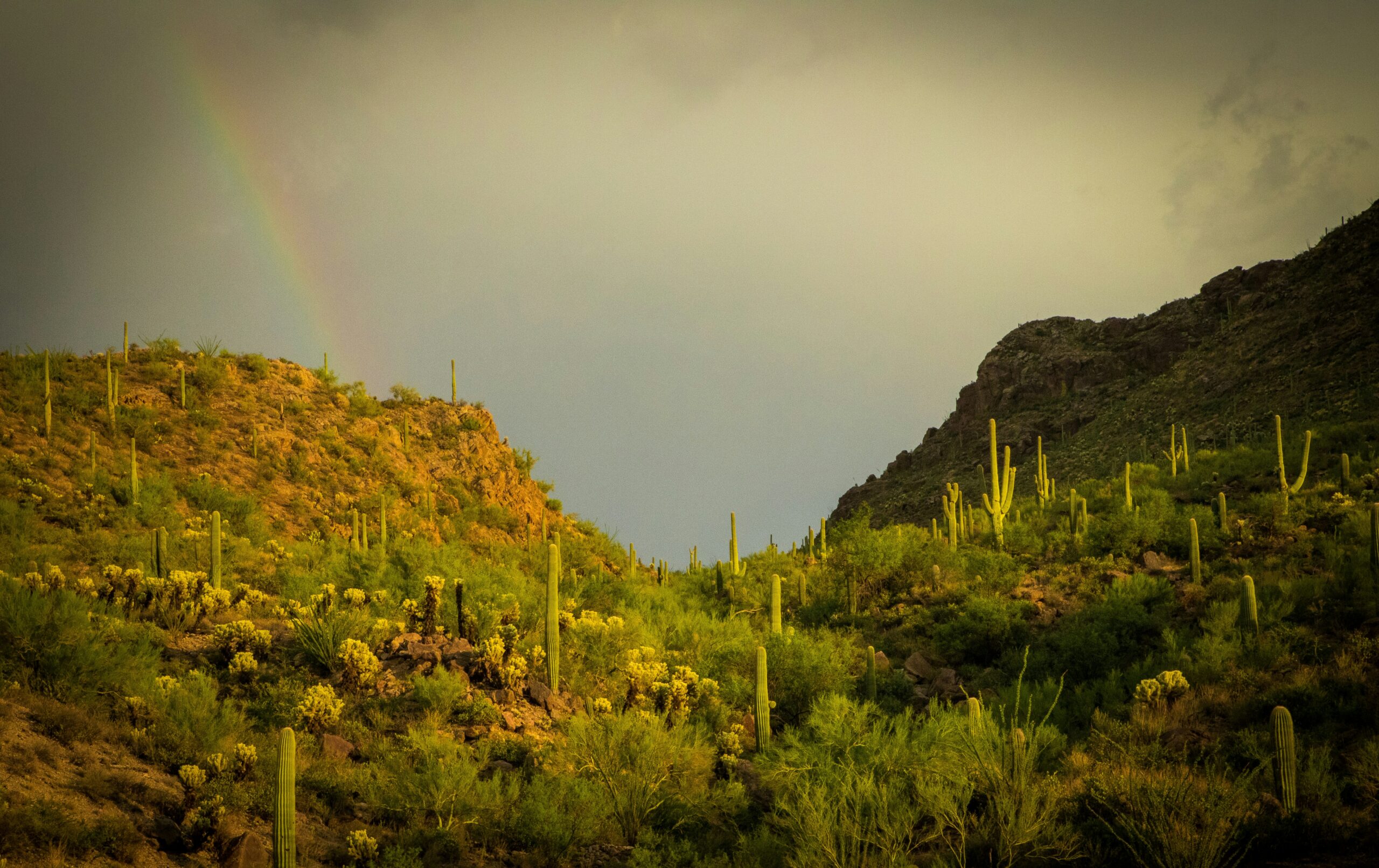
Climate organizations warn federal cuts threaten clean energy jobs in Arizona
Climate action organizations and some Arizona lawmakers are raising concerns over Trump administration cuts to federal clean energy spending.
Cutting money for energy efficiency isn’t just unwise, it’s plain dangerous for vulnerable Arizonans
As Arizona’s summers grow longer and hotter, keeping cool isn’t just about comfort — it’s a matter of survival.
Extreme heat is the leading weather-related cause of death in the U.S., with vulnerable populations — including children, outdoor workers, communities of color, and those with chronic conditions like asthma or heart disease — facing the most significant risk.

Clean Energy Tax Credits Gain Bipartisan Support Amid Budget Debate
As Congress debates budget bills proposing deep cuts in federal spending, Biden-era tax credits for clean energy have gained crucial support among some Republican lawmakers and voters.
Four Republican senators wrote to their party’s leadership April 9 to “caution against the full-scale repeal” of tax credits in the Inflation Reduction Act (IRA) that support investments in renewable energy installations, battery manufacturing, energy efficiency improvements and the production of alternative fuels.